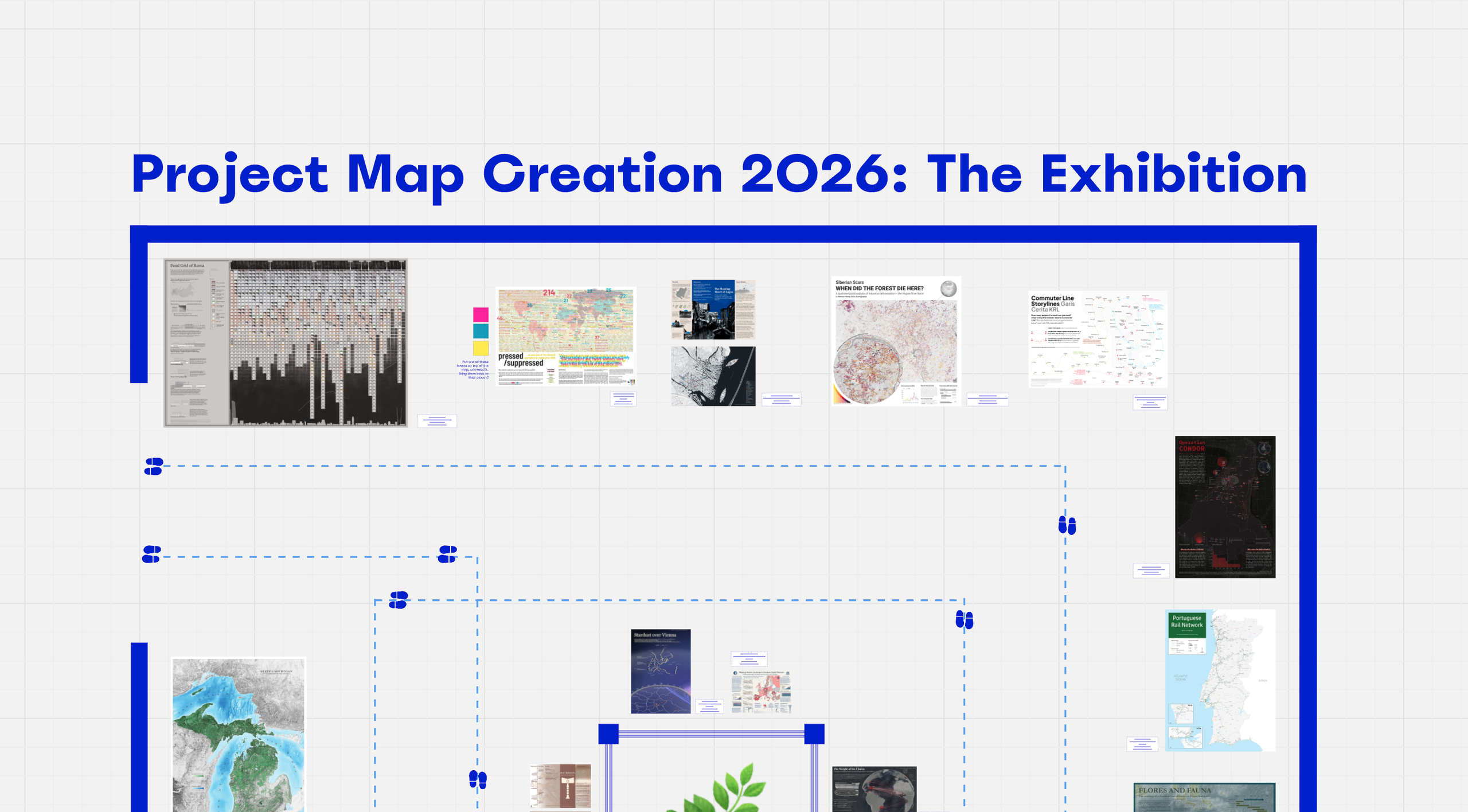
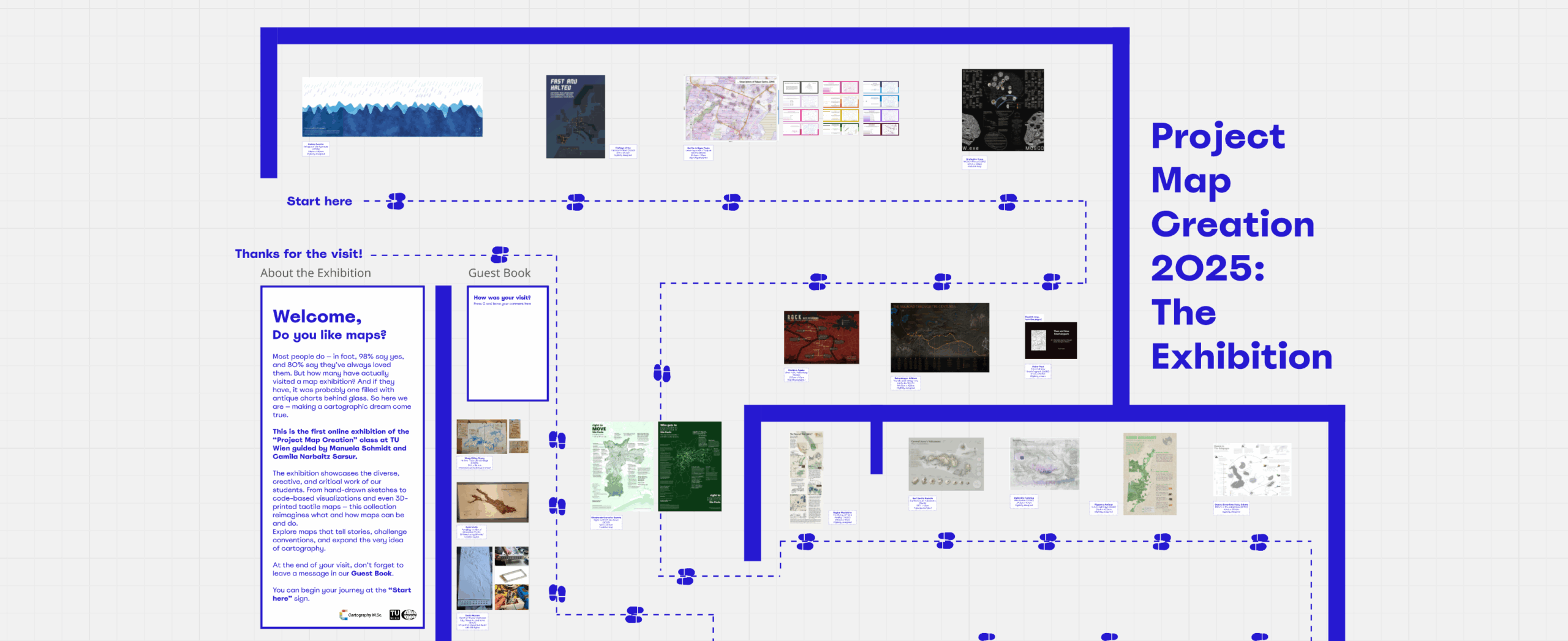
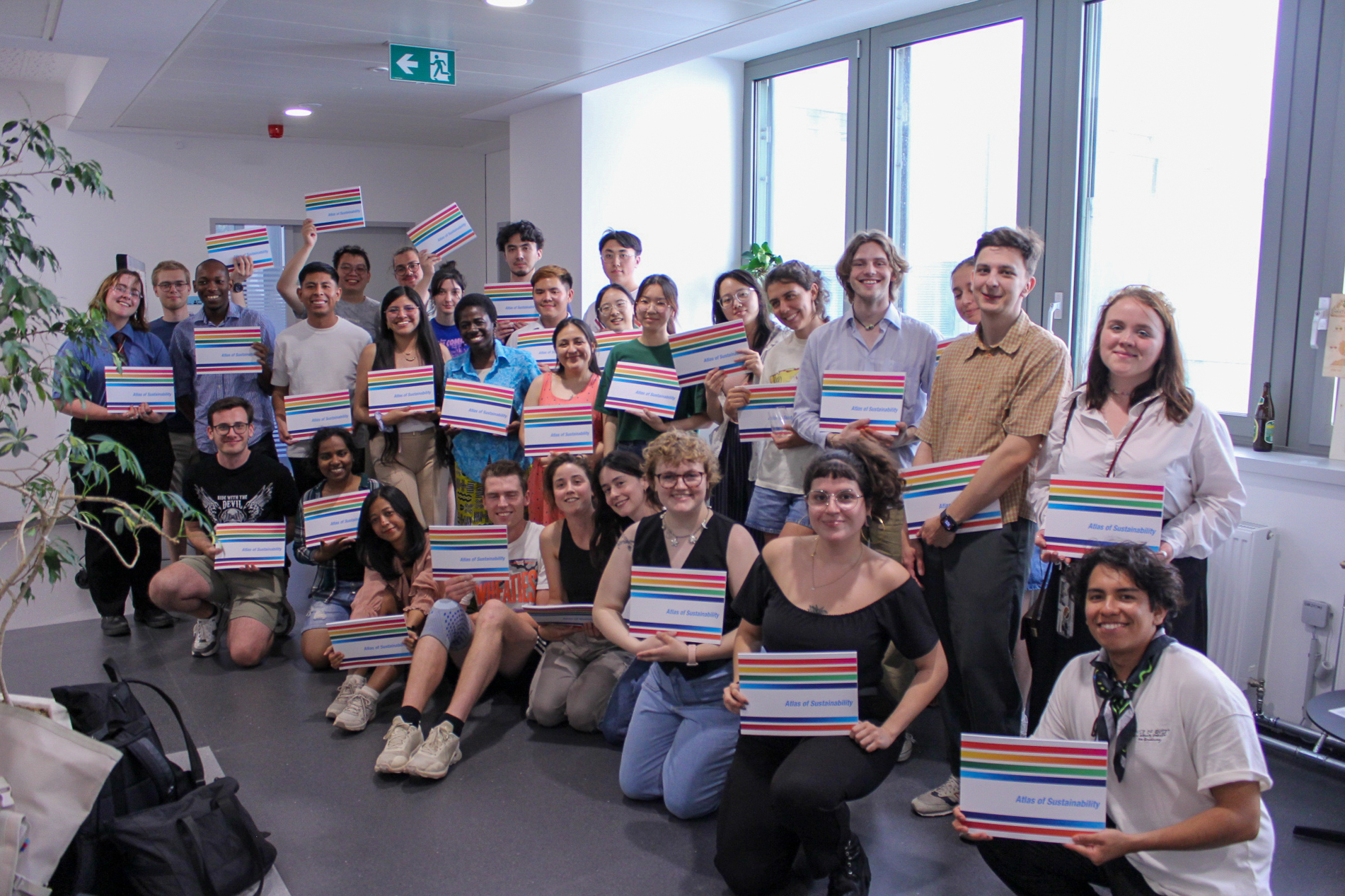
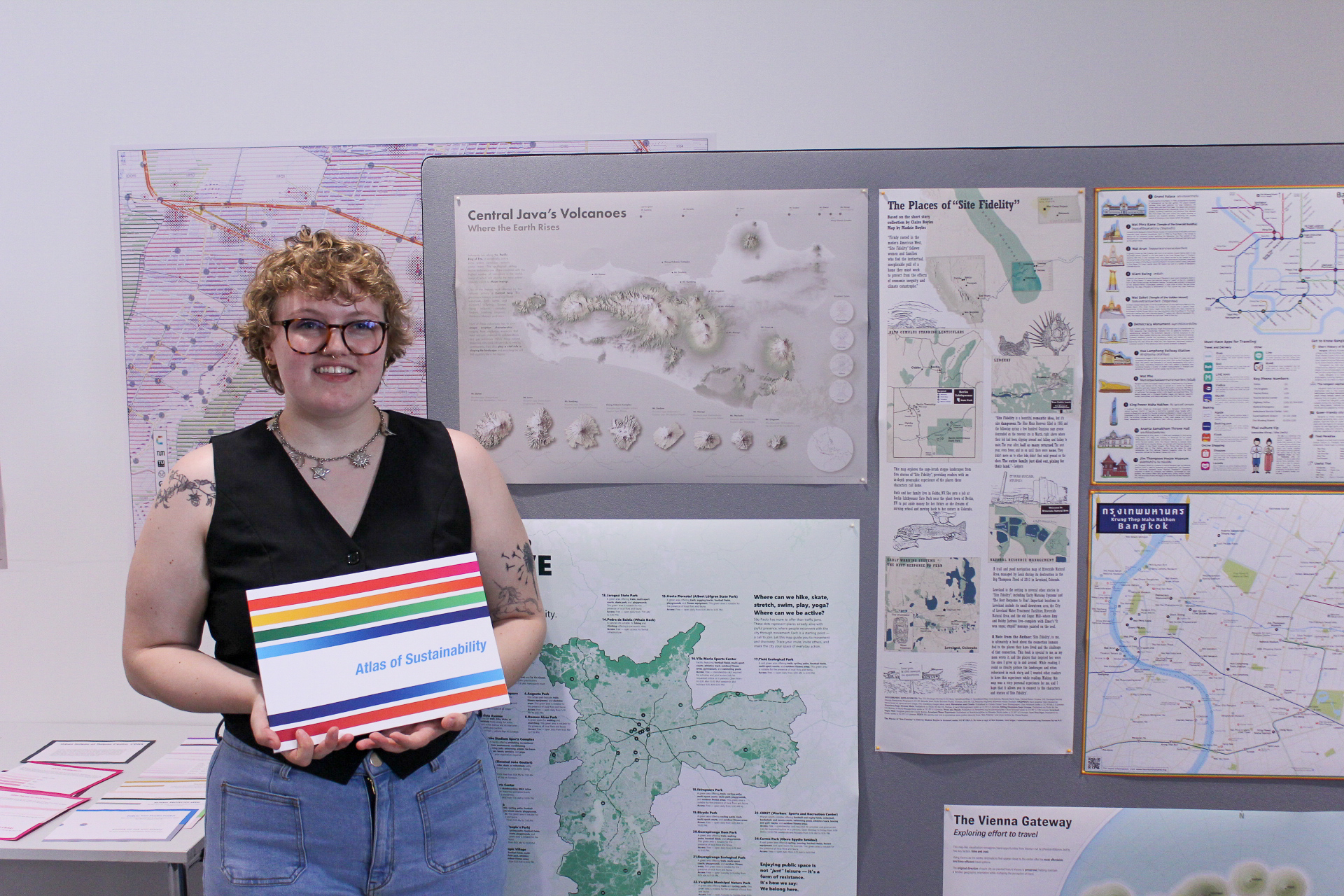
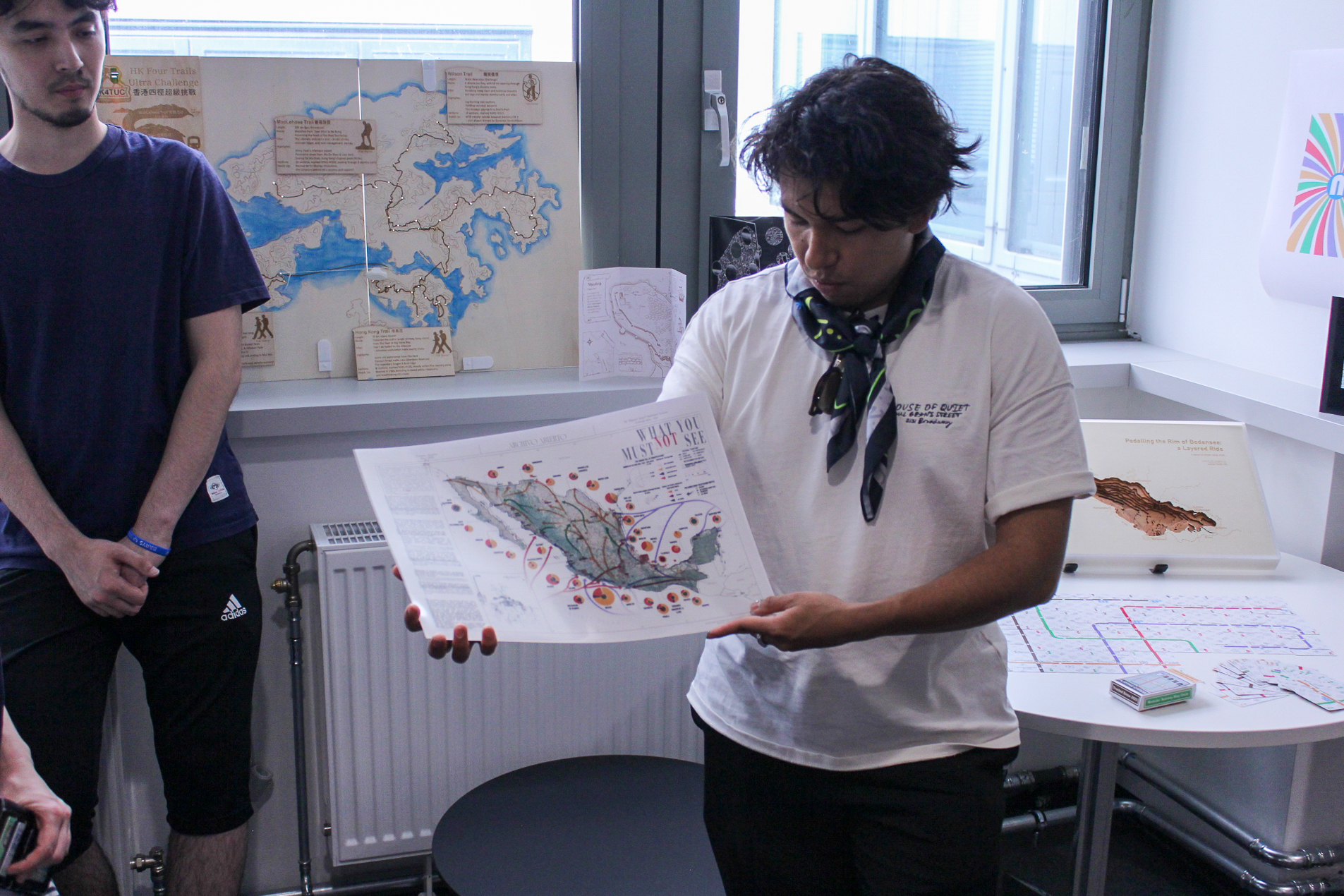
This year again, our cartography students have created stunning maps, as part of their course “Project Map Creation”. They had full freedom over the topic, data, software and techniques used. The results are truly impressive.
You can now see all of them online using this link.
Thank you to Camila Narbaitz Sarsur for setting up the exhibition!
The 15th intake of cartography students finished their semester! During the past 4 months, they have practiced many cartographic skills: web mapping, location-based services, theoretical cartography, graphic design, and many others. And they learned by doing, as this semester is almost fully assignment-based.
In the Project Map Creation course (supervised by Manuela Schmidt and Camila Narbaitz Sarsur), they had the chance to apply all the techniques they want to realize one big project, which they exhibited at the occasion of our yearly Map Exhibition on June 25th!
We celebrated the end of their semester, and their beautiful maps. It was a great moment — although we are of course always sad to say bye.
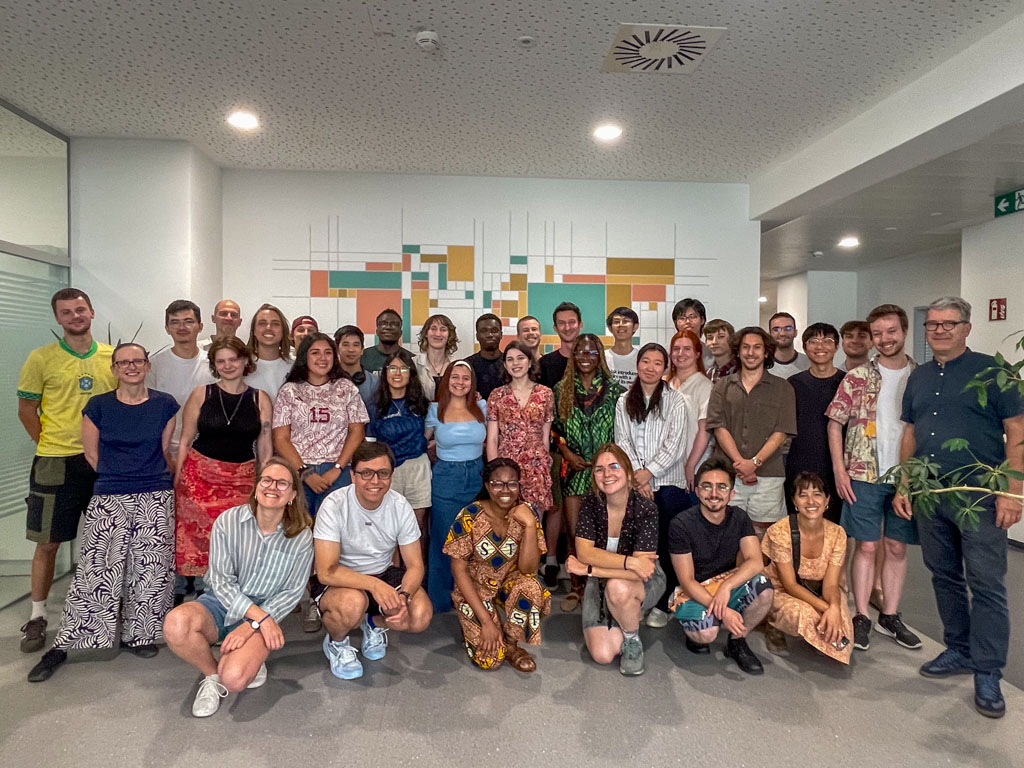
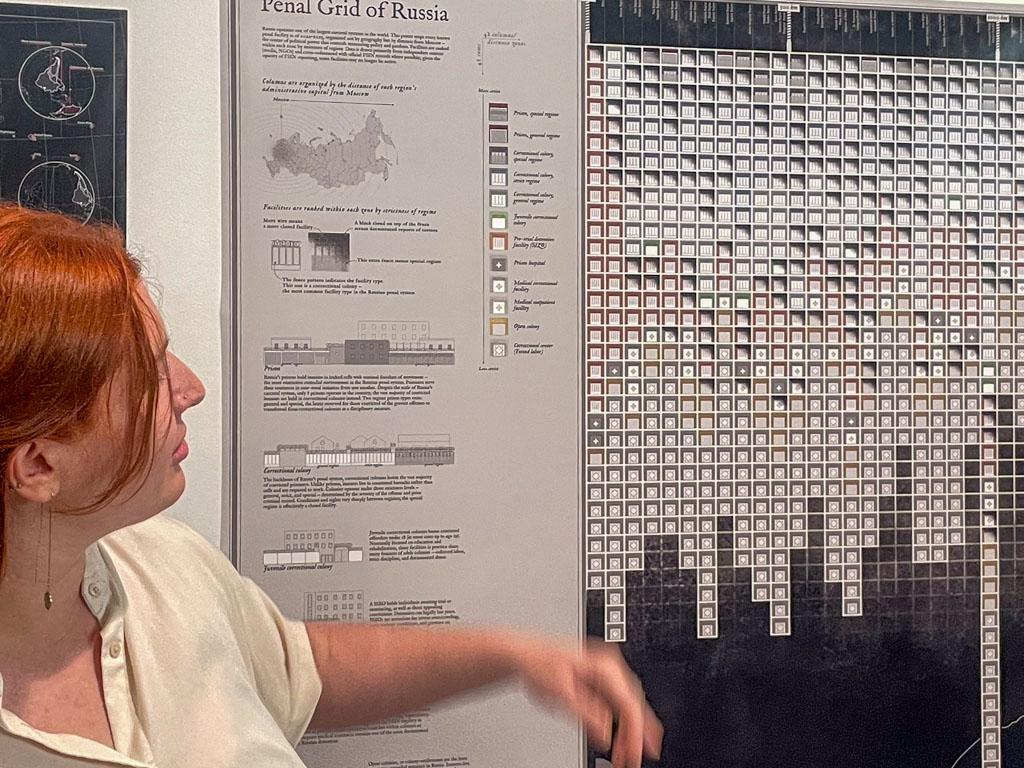
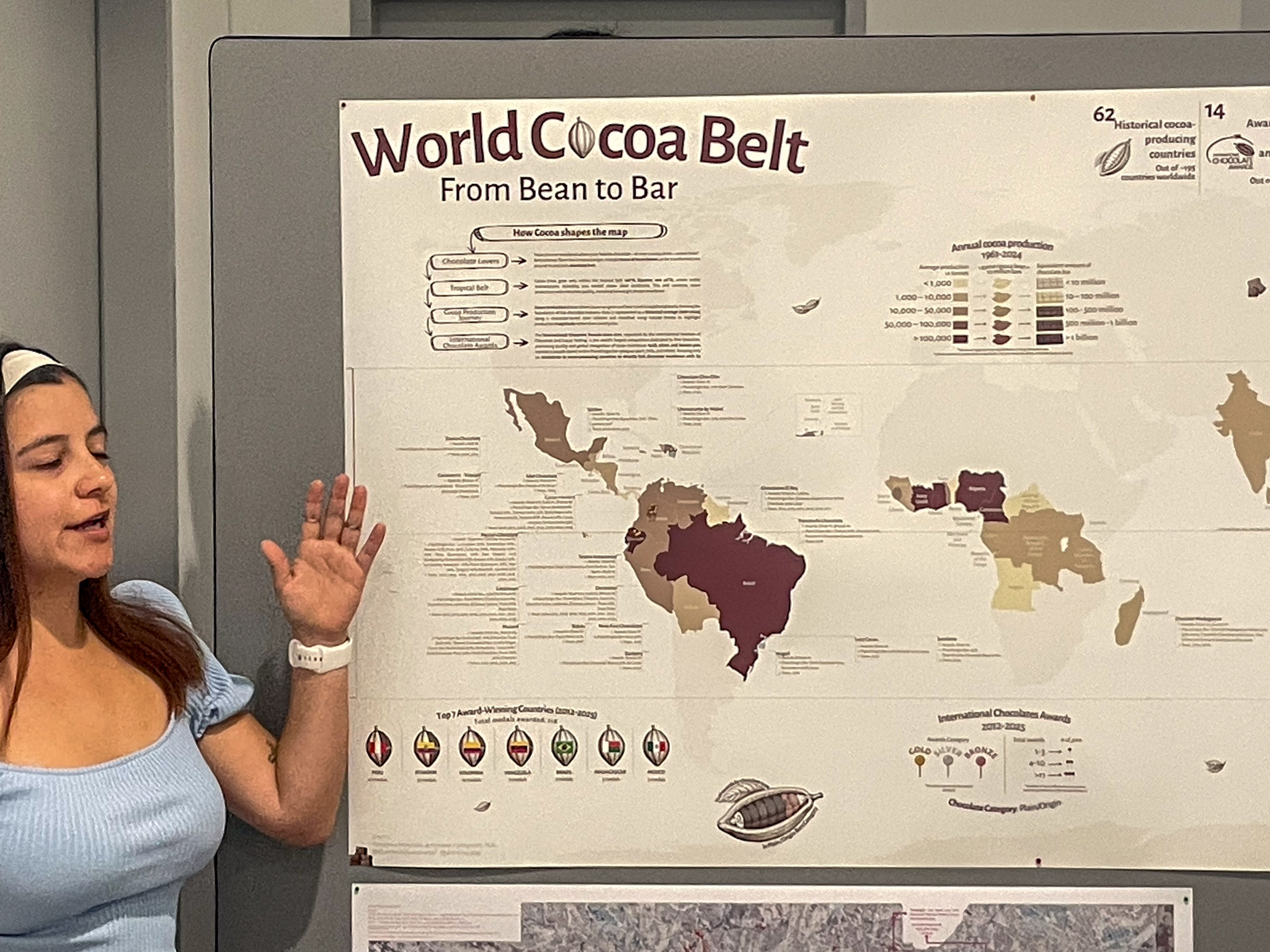
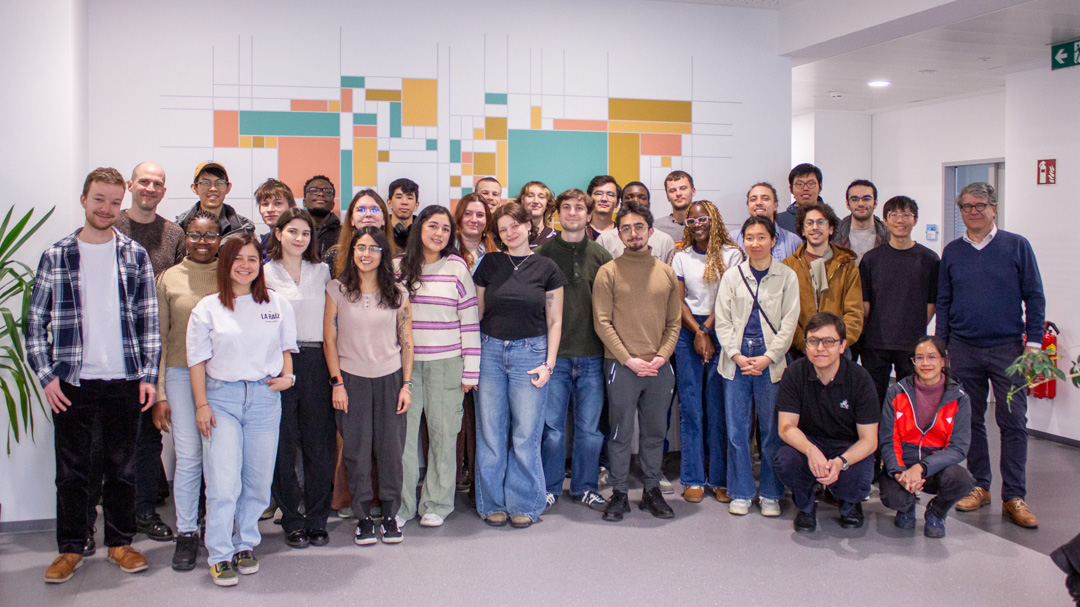
The students and some of the staff!Alena Avdeeva and her map “Penal Grid of Russia”Domenica Fernandez de Cordova and her map “World Cocoa Belt”
Their next stop, after a well-deserved summer break, is the Technical University of Dresden! We wish them a great semester and hope to see them soon.
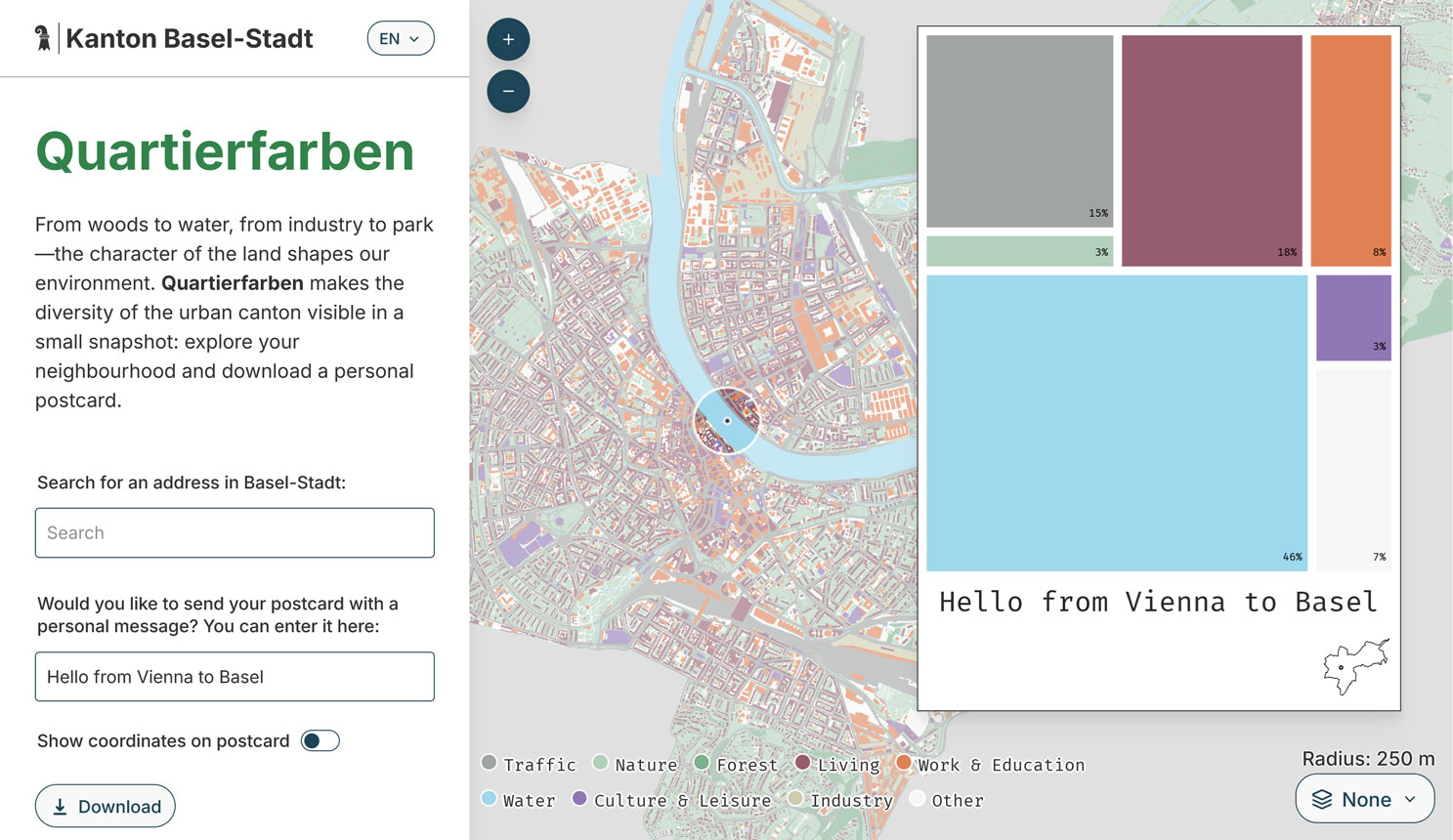
With its own color scheme, corporate design, and new features like an inset map on the postcard, automatic neighborhood-based labeling, and multiple basemaps to choose from, it shows how open-source collaboration can benefit everyone. The Statistisches Amt Basel-Stadt has also published the visualization in their statistical dossier (April 2026) and as posters around the city, offering a postcard printing option at events. It’s wonderful to see this project spread and evolve.
If you want to build such a web app for your own city, make sure to check out our GitHub repository and reach out if we can support you.
After three years of collaboration, the Erasmus+ project Shape2Gether is coming to an end. Together with six European universities and the industry partner Seppo, the Research Unit Cartography explored new approaches to teaching and learning, focusing on Education for Sustainable Development (ESD) and climate change in Europe. Shape2gether brought together expertise in sustainability and climate education, innovative technologies, game-based learning, and geosciences, with a strong emphasis on interdisciplinary collaboration. A key aspect of the project was the active involvement of students, who were not only participants but co-creators throughout the process.
Students took part in three international summer schools in Trondheim/Tautra (Norway), Malta, and Bochum (Germany). Each summer school addressed different aspects of the project: in Norway, the focus was on immersive technologies such as VR/AR and on-site exploration to better understand climate processes; in Malta, students engaged with local sustainability challenges and Education for Sustainable Development in a regional context; and in Bochum, the emphasis was on developing serious games and interactive formats related to structural change and sustainability.
Based on these co-creative experiences and the continued collaboration of the project team, Shape2gether evaluated innovative teaching approaches and is developing learning materials aimed at empowering students as “Agents of Change” in the context of climate change and sustainable development.
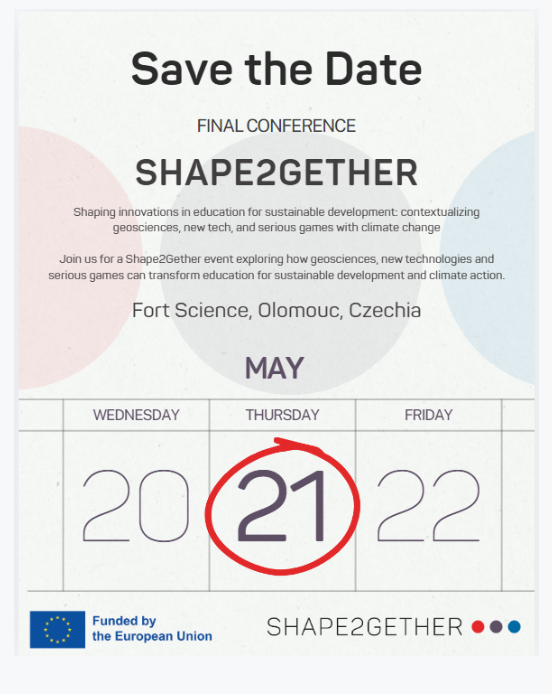
All project results, including developed learning formats, digital applications, and game-based approaches, will be presented at the Shape2gether Final Conference, taking place on May 21, 2026, in Olomouc. The event is free of charge. For further information and registration, please visit our project site.
Already the 15th one! We wish a very warm welcome to Vienna to the new intake. On Thursday 5th of March, the new students of the International Master’s in Cartography program started their second semester with us, after their first semester in Munich.
The 29 students, from 20 different countries, will study with us in Vienna for four months. Through the 10 courses we offer, they will learn a broad range of theoretical and practical skills, all very useful for their cartographic career. We wish them a great time in their new city, and are looking forward to exchanging diverse perspectives on cartography!
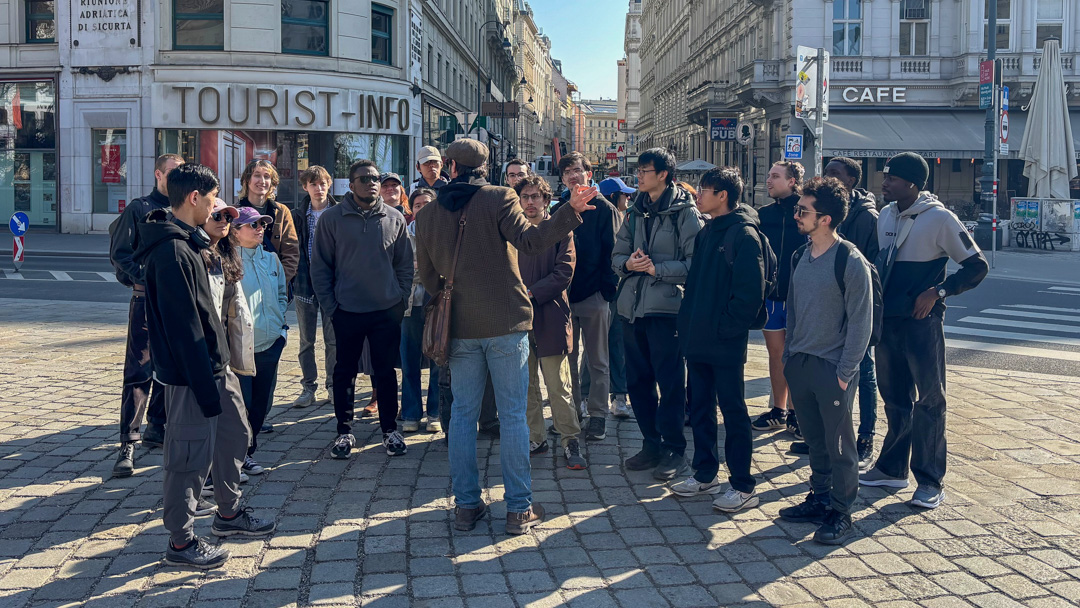
Students of the 15th intake, with our team.On Friday, they attended a city tour offered by a professional guide, Jan Kepinski
We are proud to announce that Nicolás Martínez Heredia has been awarded First Prize in the 2025 PAIGH (Pan American Institute of Geography and History) competition for the best master’s thesis in Cartography, Geodesy, or Geographic Information. His thesis, Perceptual Distortions in Cartography: Maps for Trickery, supervised by Florian Ledermann, was recognized by an international jury as the most original and rigorous contribution among entries from across the Americas. The evaluation highlighted the thesis’s novel conceptual framework, methodologically sound experimental design, and exceptional clarity of writing.
Congratulations to Nicolás on this well-deserved recognition of his research excellence!
Nicolás Martínez Heredia with his supervisor, Florian Ledermann
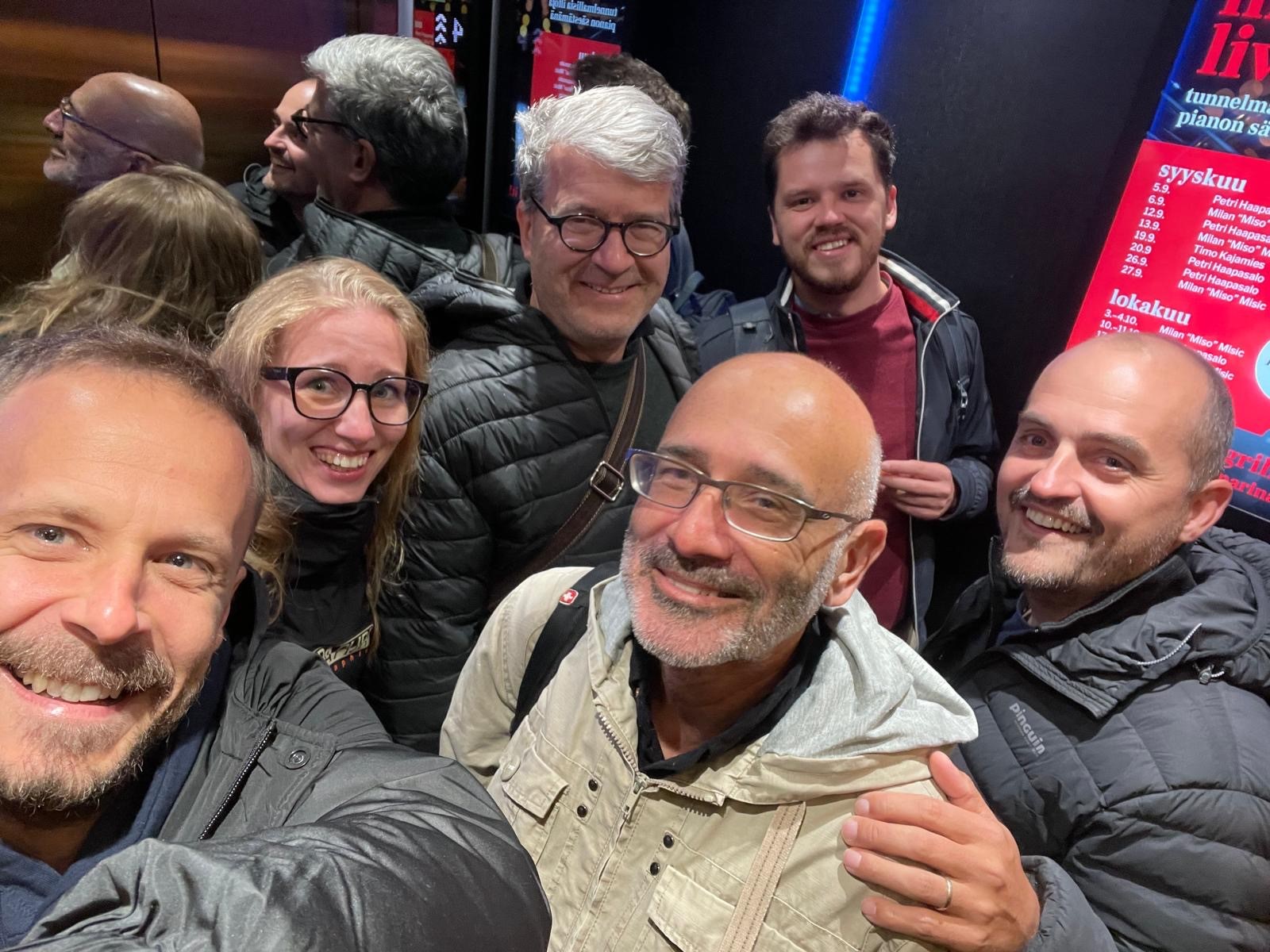
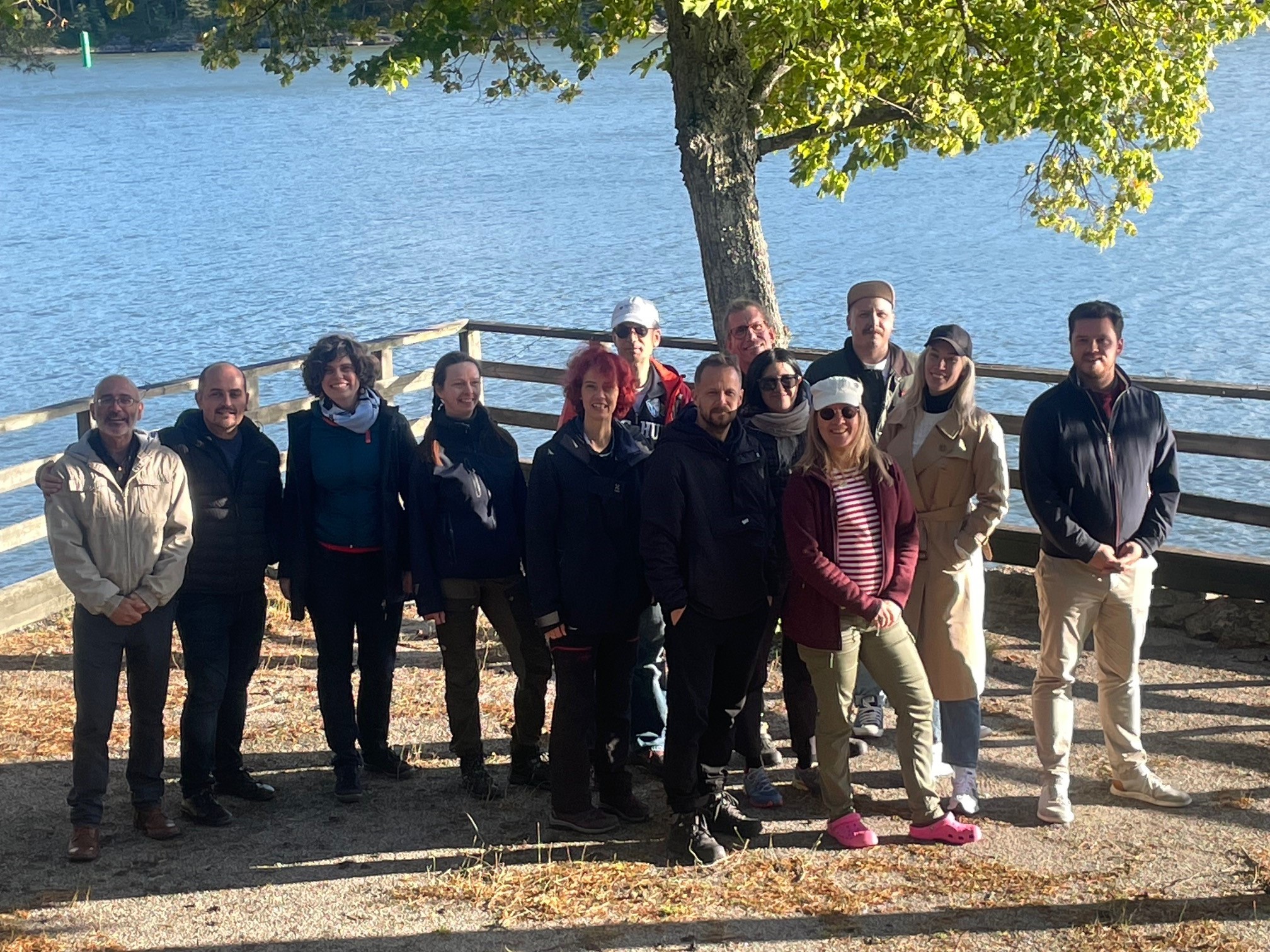
In late September, the international Shape2Gether project team gathered in Turku, Finland, for a productive workshop hosted by the University of Turku. The Research Unit Cartography of TU Wien was represented by Georg Gartner, joining colleagues from seven European universities and the Finnish educational company Seppo to review recent progress, reflect on the outcomes of this summer’s activities, and plan the next stages of the project.
The Shape2Gether project aims to implement innovative approaches in education for sustainable development within the context of climate change and its impacts on Europe. It brings together three key areas of expertise — geosciences, new technologies, and serious game design — to explore how these disciplines can enhance learning and engagement in sustainability-related topics. The long-term vision is to shape a new pan-European curriculum that integrates these elements and to apply for funding to establish an Erasmus Mundus Joint Master’s programme.
Building on three earlier Erasmus+ initiatives — Spationomy 2.0, EduChange 2.0, and DigiGeo — the project seeks to:
contextualise geosciences, technology, and serious games with real-world climate change challenges;
innovate in education for sustainable development (ESD) by addressing local environmental issues;
equip students and educators with competencies to become agents of change;
promote active citizenship and local-level climate action across Europe;
and ultimately develop a new, joint curriculum encapsulating these goals under the Erasmus Mundus Joint Masters scheme.
Over its three-year timeline, Shape2Gether combines short-term staff mobilities and blended student mobilities, centring on summer schools as immersive, five-day learning events. These schools unite students and educators to explore sustainability challenges through geospatial technologies, game-based learning, and collaborative fieldwork. Students learn to apply modern mapping tools, critical thinking, and creative design to address real-world sustainability issues—becoming true “actors of change.”
The recent Turku meeting (22–24 September 2025) provided a valuable opportunity for consortium partners to evaluate feedback from past summer schools in Norway, Malta, and Germany. Participants reflected on the learning outcomes and began drafting the structure of the forthcoming joint curriculum that uniquely combines ESD, new technologies, and gamification.
For TU Wien, the Turku meeting highlighted once again the power of interdisciplinary collaboration and digital innovation in shaping sustainable education. The ongoing cooperation across Europe — uniting geoscientists, educators, and technologists — continues to strengthen our shared commitment to fostering awareness, creativity, and resilience in the face of global climate challenges.
Stay tuned for updates as the consortium continues to design the Shape2Gether curriculum and follow the project on Instagram (@shape2gether) for the latest news from the team!
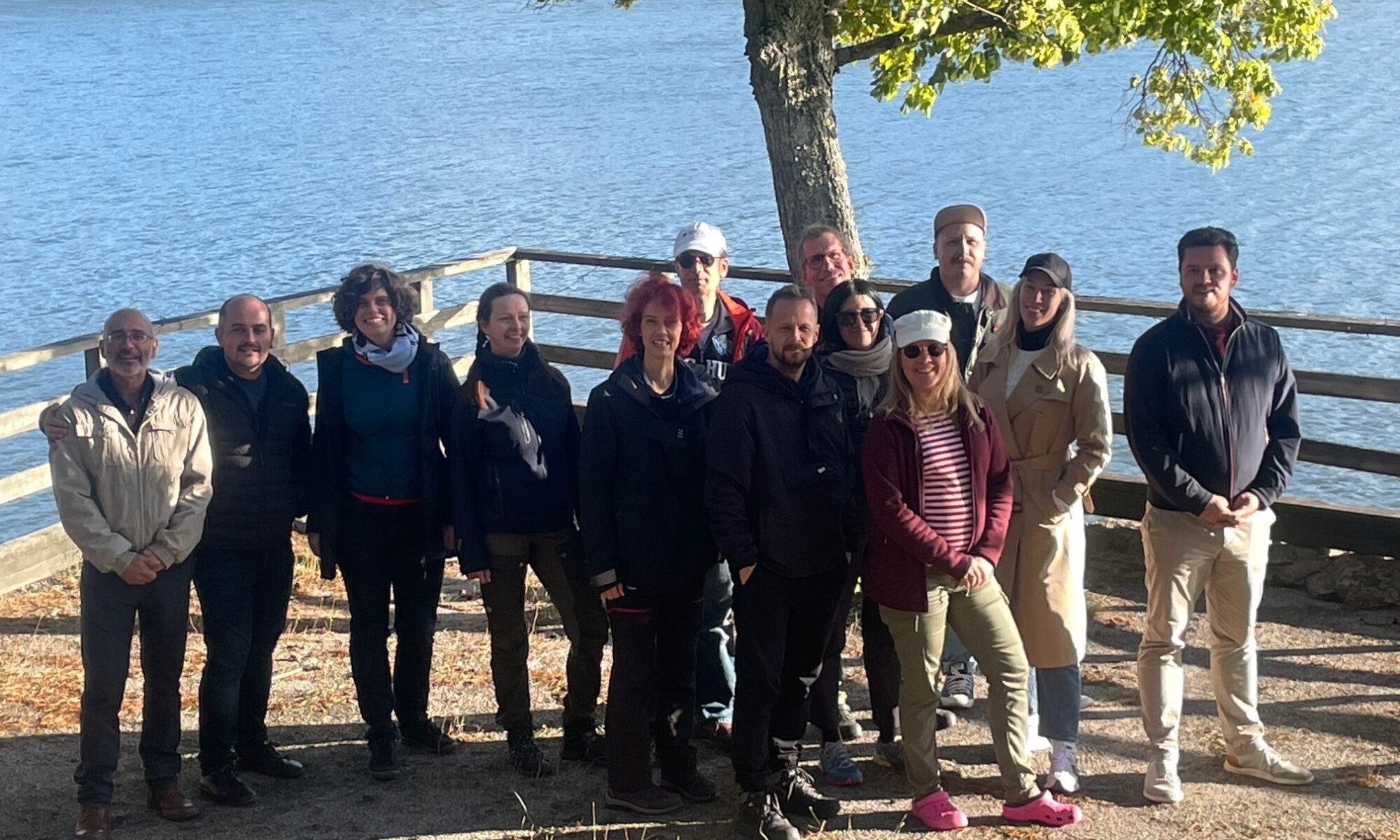
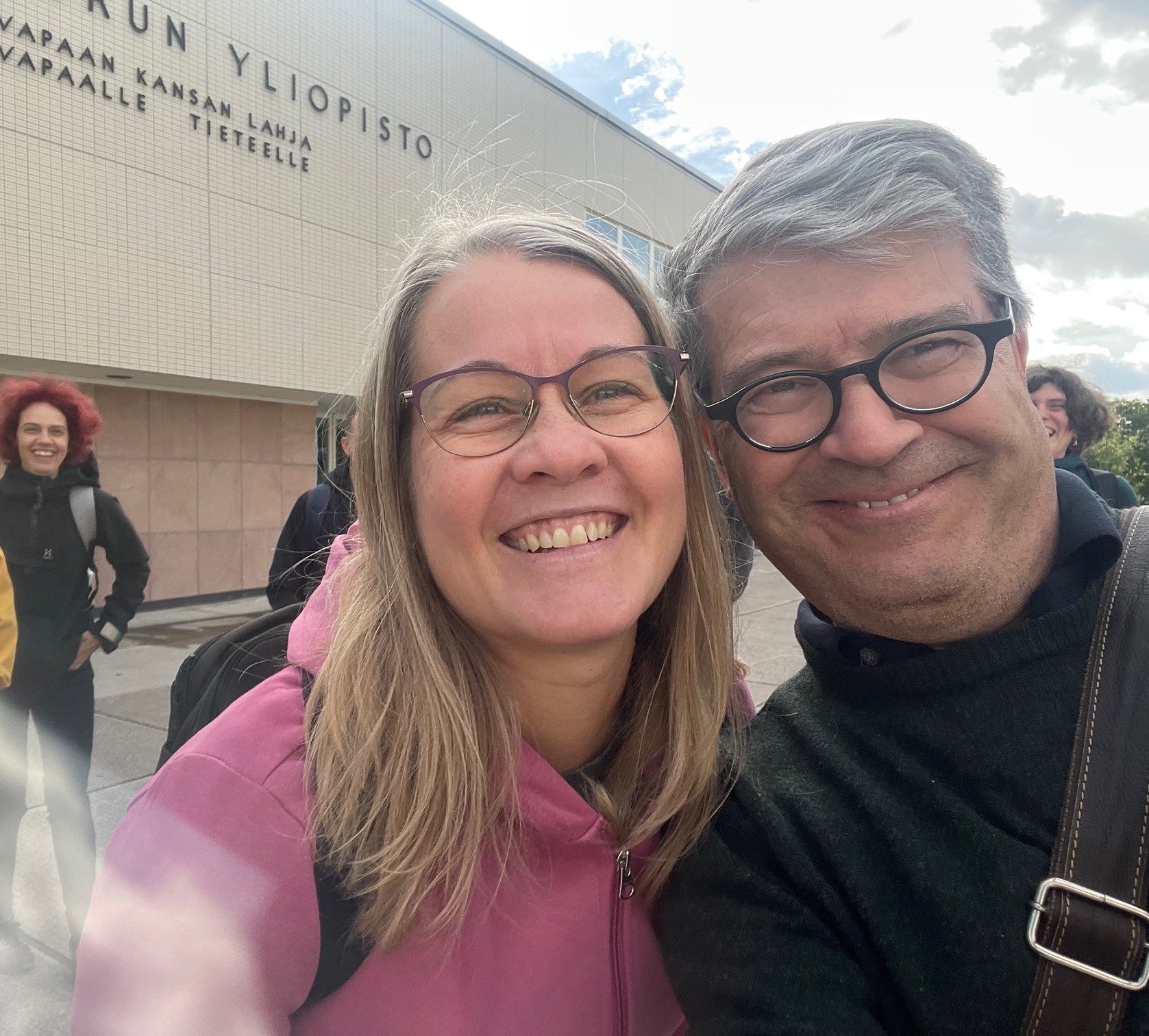
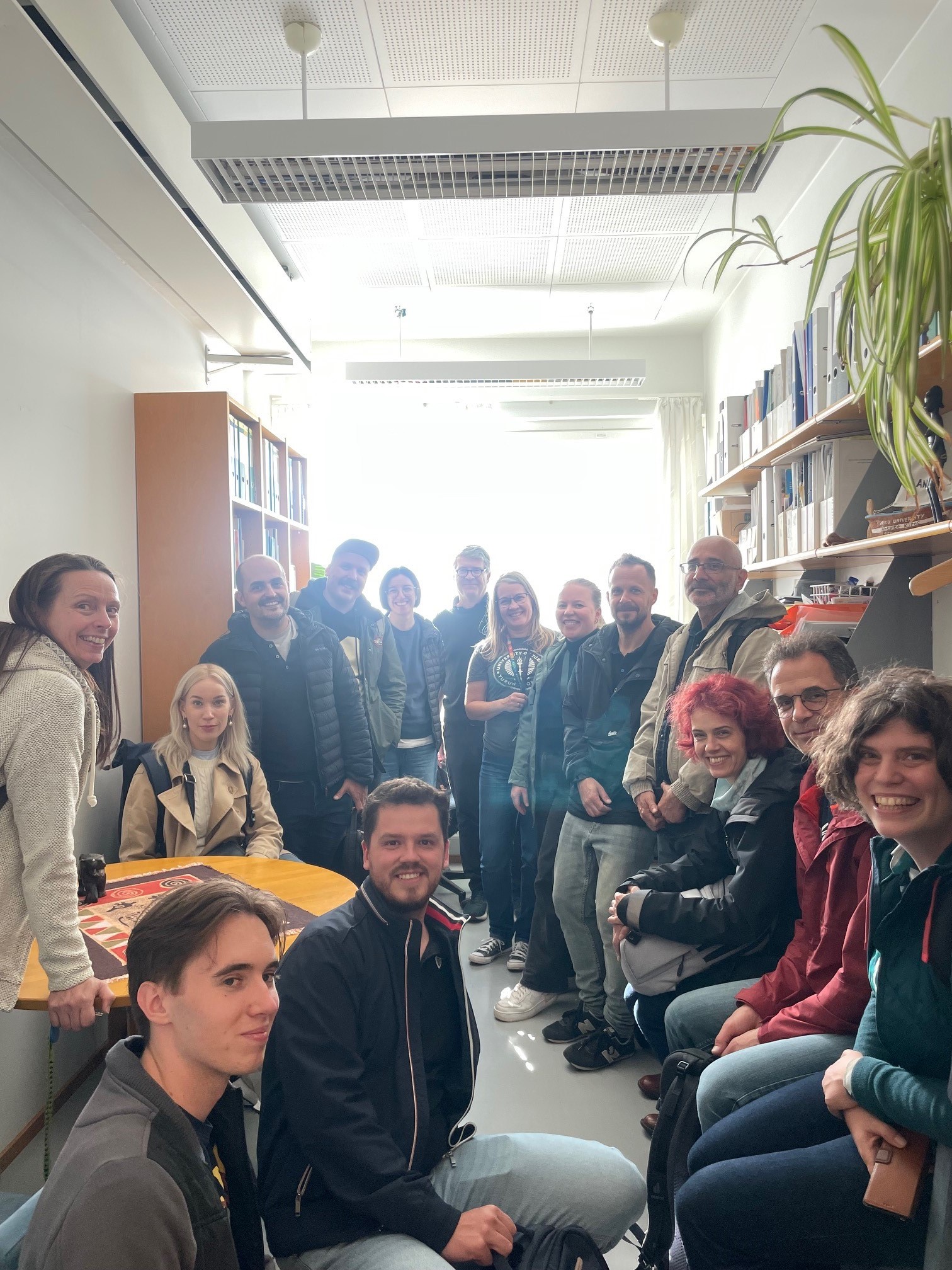
Prof Nina Käyhkö welcoming the TU Wien representativeThe consortium visit at Prof Käykho’s OfficeParticipants of the Shape2Gether project team on their way to workThe project consortium during the field work at the island of Ruissalo
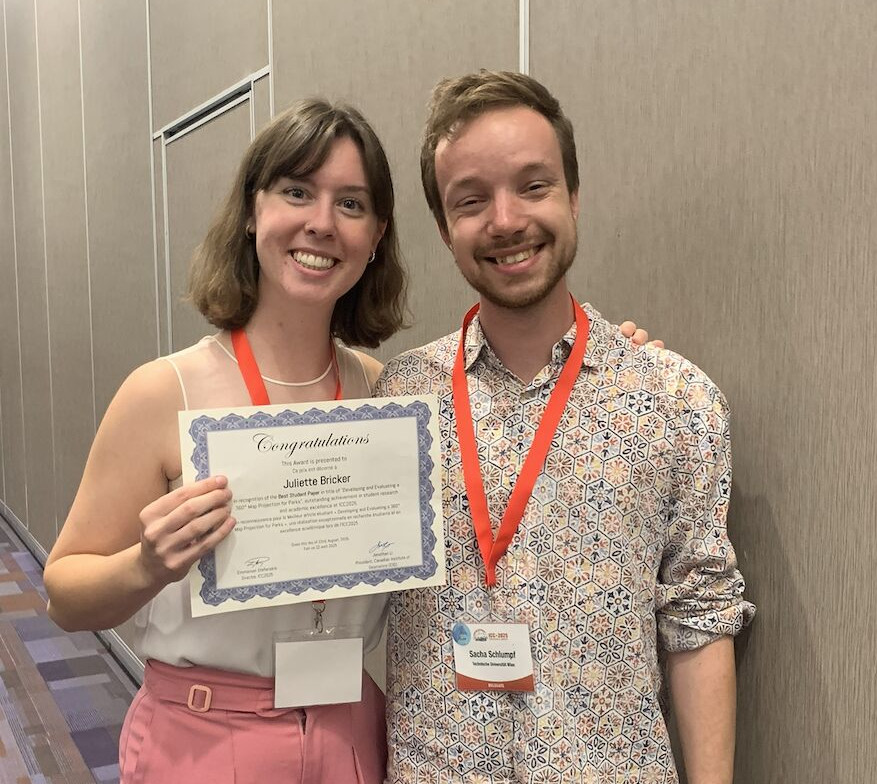
At this year’s International Cartographic Conference in Vancouver/Canada, our student Juliette Bricker won the Best Student Paper Award for her presentation “The Qualitative Development and Evaluation of a New User Perspective Map”. In her presentation, she showed initial findings from her master’s thesis on the innovative “Around-you” map format she developed. Juliette is currently completing her thesis at the Research Unit Cartography, TU Wien, co-supervised by Florian Ledermann and Sacha Schlumpf.
You can read more about an earlier version of Juliette’s innovative map here.
Congratulations, Juliette!
Juliette Bricker presenting her award certificate, with her supervisor Sacha Schlumpf. (Photo: Jakob Listabarth)
Would you like to see the maps that our students have created? Here, you can view in detail the maps they created for the Project Map Creation course this year, which was supervised by Manuela Schmidt and Camila Narbaitz Sarsur. Enjoy your visit!
What a semester. Wednesday 25.06.2025 was a day of celebration as we held the farewell ceremony for all our wonderful cartography students!
Students of the 14th intake of the International Cartography Master
It was also the occasion of the annual map exhibition, where students present their semester-long projects. As part of the Project Map Creation course, supervised by Manuela Schmidt and Camila Narbaitz Sarsur, each student had the opportunity to create a unique map using the techniques of their choice. And, wow, what great projects!
Madeleine and her map “The Places of ‘Site Fidelity’ “Miguel and his map “What You Must (Not) See”
We wish all the best to the students for their next semester, at TU Dresden, and for their cartographic career!